
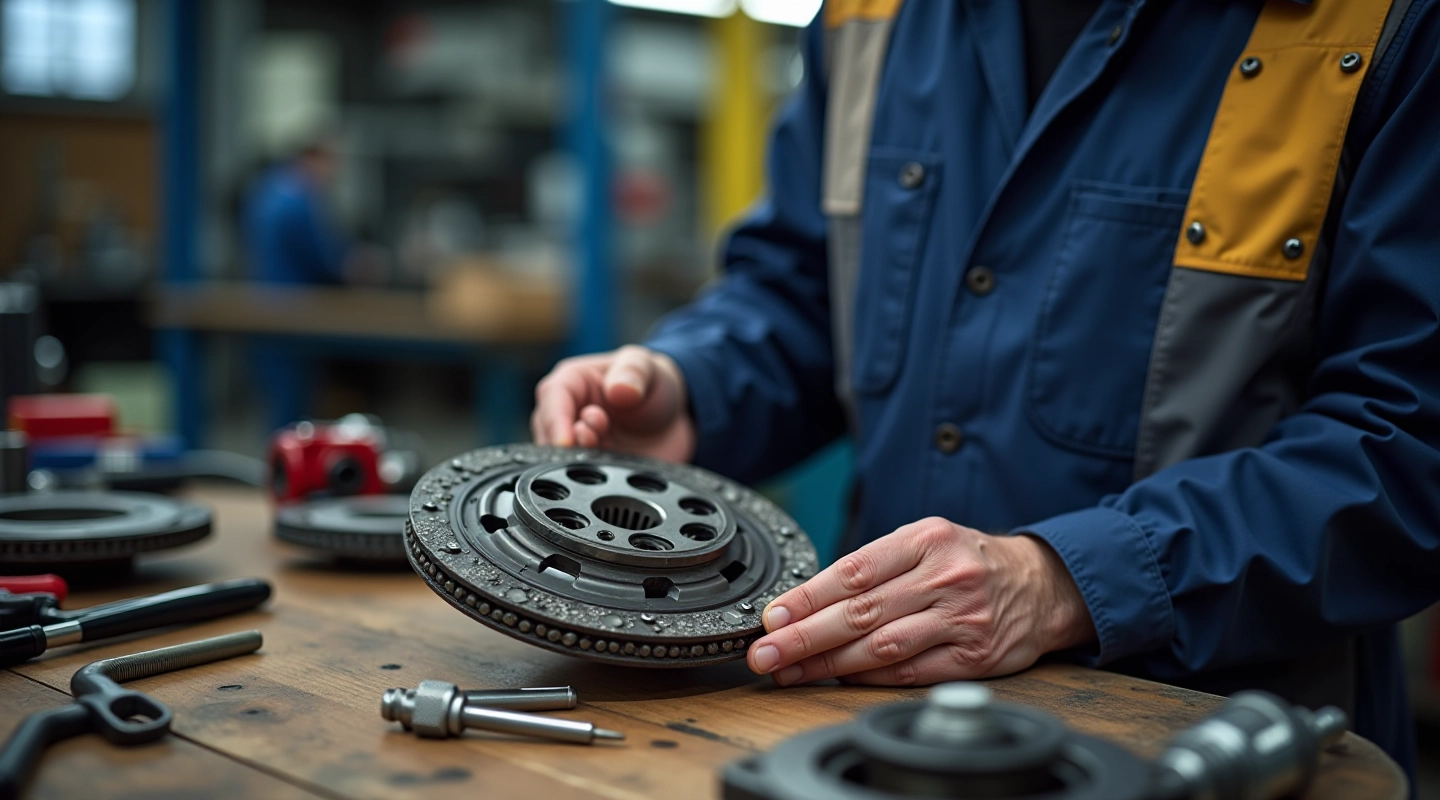
Manual Clutch Disc Replacement: Step-by-Step Process
Complete walkthrough of clutch replacement including removal, inspection, and reinstallation. What to expect during the repair process.
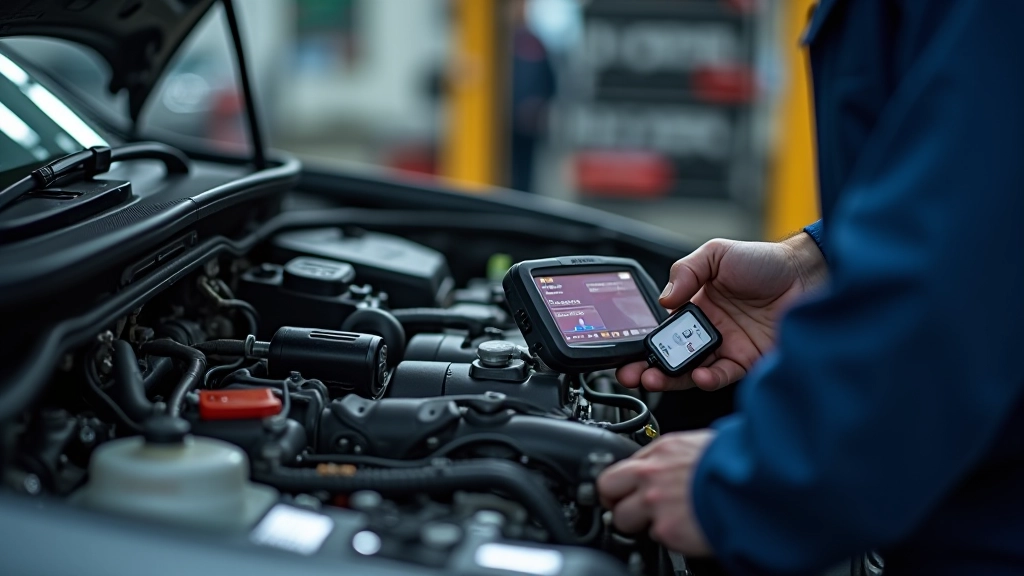
How diagnostic equipment identifies transmission problems. Covers common error codes, what they mean, and what to expect during professional gearbox testing.
Author
Editorial Team
Written by the keltvale editorial team, focused on clear, practical guidance for clutch and gearbox repair in Tallinn.
When your gearbox isn't shifting smoothly, slipping, or making odd noises, you need answers fast. That's where diagnostic testing comes in. It's not guesswork — it's precise, technical information that tells mechanics exactly what's wrong.
Modern transmissions are complex systems controlled by computer modules. Without proper diagnostic tools, you're essentially flying blind. A good diagnostic scan gives you concrete data: error codes, pressure readings, shift patterns, and sensor health. This means fewer wasted parts, faster repairs, and honest estimates.
Think of it this way — you wouldn't diagnose a health issue without blood work or imaging. Your gearbox deserves the same respect.
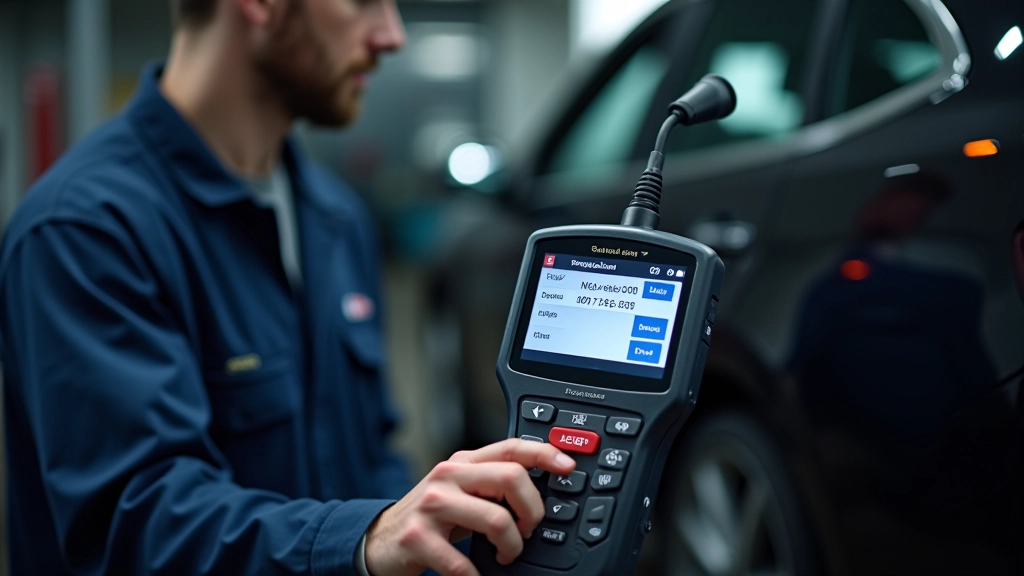
A full diagnostic session typically takes 45 minutes to an hour. Here's what happens:
The scanner plugs into the vehicle's OBD-II port (usually under the steering wheel). This gives instant access to the transmission control module's memory.
The system pulls all stored and pending codes. These are alphanumeric codes that pinpoint issues — things like solenoid failures, pressure sensor problems, or electrical faults.
This is where it gets detailed. The scanner monitors real-time transmission data: fluid temperature (should be 175-195°F), shift timing, pressure levels, and sensor voltages. Everything's measured in real time as the transmission operates.
The technician takes the car out to monitor shifting patterns under real driving conditions. They're watching how smoothly shifts happen, if there's hesitation, if pressure builds correctly, and if the computer responds as it should.
All data gets analyzed. The technician interprets what the numbers mean, identifies the root cause, and explains what repairs are needed. No surprises, no vague descriptions.

This article is informational only and is not professional repair advice. Always consult a qualified automotive technician for diagnosis and repair of your specific vehicle situation.
Error codes look intimidating — P0700, P0715, P0740 — but they're actually standardized messages. The "P" means powertrain. The first digit tells you the system (0 = general, 3 = transmission). The remaining numbers narrow it down.
P0700
Transmission control system malfunction — something's wrong, needs deeper investigation.
P0715
Input shaft speed sensor circuit fault — affects shift timing.
P0740
Torque converter clutch circuit malfunction — causes overheating and slipping.
P0841
Transmission fluid pressure sensor fault — impacts shift pressure control.
P0893
Transmission friction element pressure too low — suggests internal wear.
P1890
Shift solenoid assembly electrical malfunction — prevents proper gear engagement.
One code doesn't tell the whole story. It's a clue. Combined with live data, a test drive, and visual inspection, these codes help technicians pinpoint exactly what's failing.
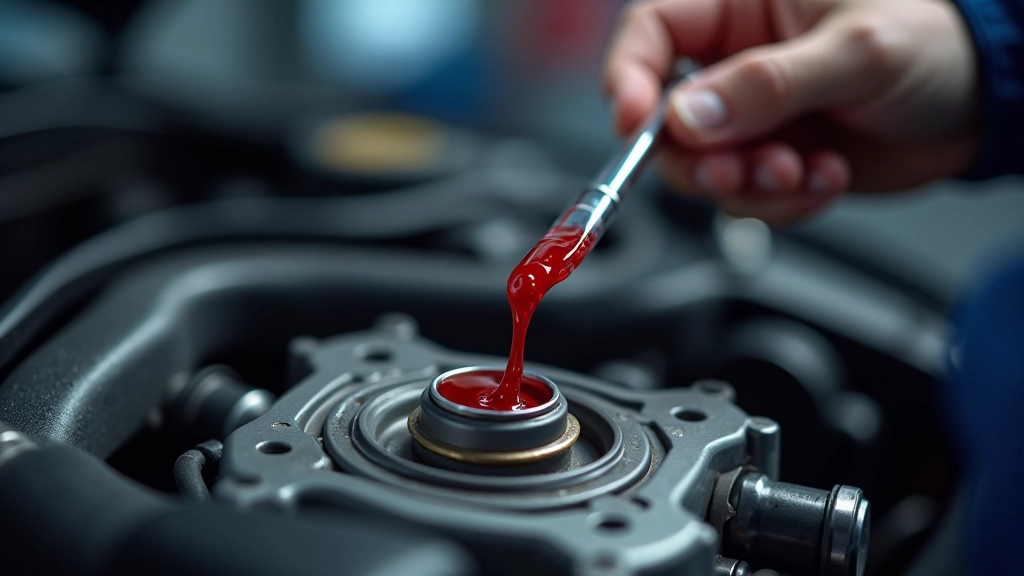
Professional shops use several pieces of diagnostic gear. Understanding what they do helps you appreciate the work:
The basic tool. Reads codes and displays basic live data. Every shop has one. Good ones cost €200–500.
More detailed. Shows deeper transmission parameters, manufacturer-specific codes, bi-directional controls. These run €1,000–3,000 and require software updates.
Manual gauge that measures fluid pressure in the transmission. Technician connects it to test ports and reads pressure during operation. Shows if hydraulic system is working correctly.
For electrical diagnosis. Shows voltage patterns from sensors and solenoids. Helps find intermittent electrical issues that scanners might miss.
Tests transmission fluid. Checks viscosity, oxidation level, contamination. Expensive equipment, but tells if fluid needs changing or if there's internal damage (metal particles, moisture).
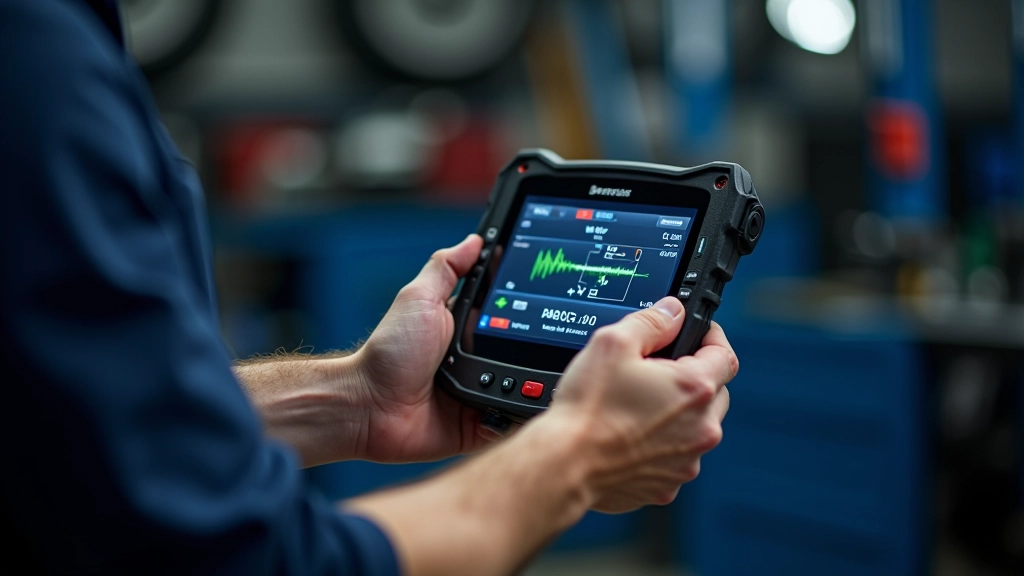
Here's the real benefit: when you bring your car in for transmission problems, a proper diagnostic gives you facts. Not guesses. Not "might be this" or "could be that." It's pressure readings, error codes, sensor data, and performance history all pointing to a specific issue.
A good technician will explain what the codes mean, show you the live data, tell you what caused the problem, and give you honest options. Some issues need immediate repair. Others can wait a bit longer. Some problems require transmission removal; others are simple sensor replacements or fluid changes.
The diagnostic fee — usually €60–150 — is money well spent. It prevents unnecessary parts replacement, gets you an accurate repair estimate, and ensures the real problem gets fixed, not just the symptom.
Don't skip diagnostics. Don't let anyone tell you "we'll just replace this part and see if it fixes it." That's how you end up spending thousands on parts that weren't the problem. Diagnostic testing is the smart, efficient way forward.
Continue learning about transmission and clutch repair
Complete walkthrough of clutch replacement including removal, inspection, and reinstallation. What to expect during the repair process.

Understanding transmission fluid's role in gearbox health. When you should change it and how to spot contamination.
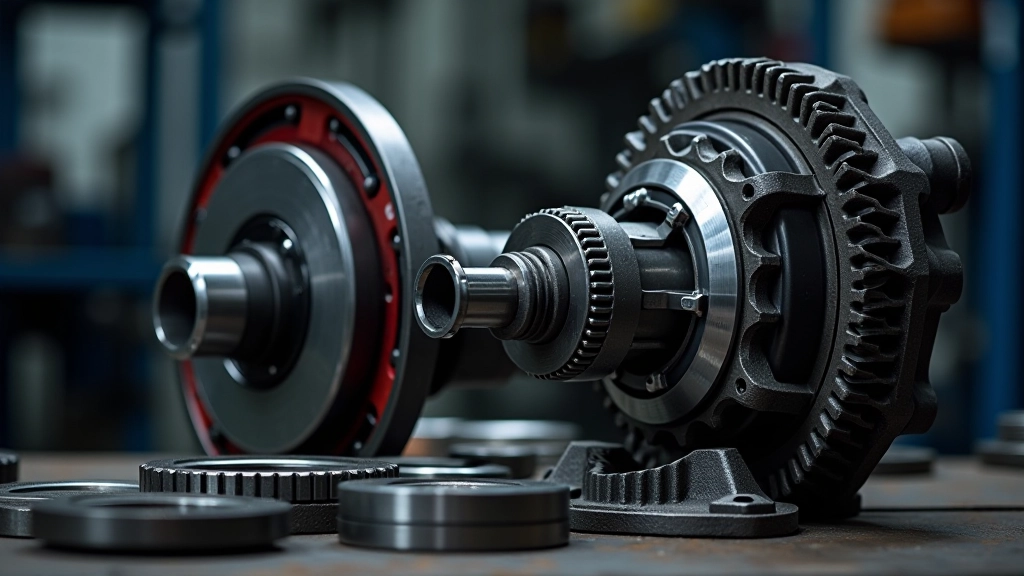
A practical overview of the most common transmission issues: grinding noises, slipping, and delayed engagement.